


Every business owner wants more website visitors, but increasing traffic requires more than simply publishing content and hoping people find it. With millions of websites competing for attention, businesses need a strategic approach to attract the right audience and convert visitors into customers.
If you’re wondering how to increase website traffic, this guide covers the most effective strategies to grow your online presence, improve visibility, and drive consistent traffic to your website.
Why Website Traffic Matters
Website traffic is one of the most important indicators of online business growth. More qualified visitors can lead to:
- Increased brand awareness
- Higher lead generation
- More sales opportunities
- Improved search engine rankings
- Greater authority in your industry
However, not all traffic is equal. The goal should be attracting visitors who are genuinely interested in your products, services, or content.
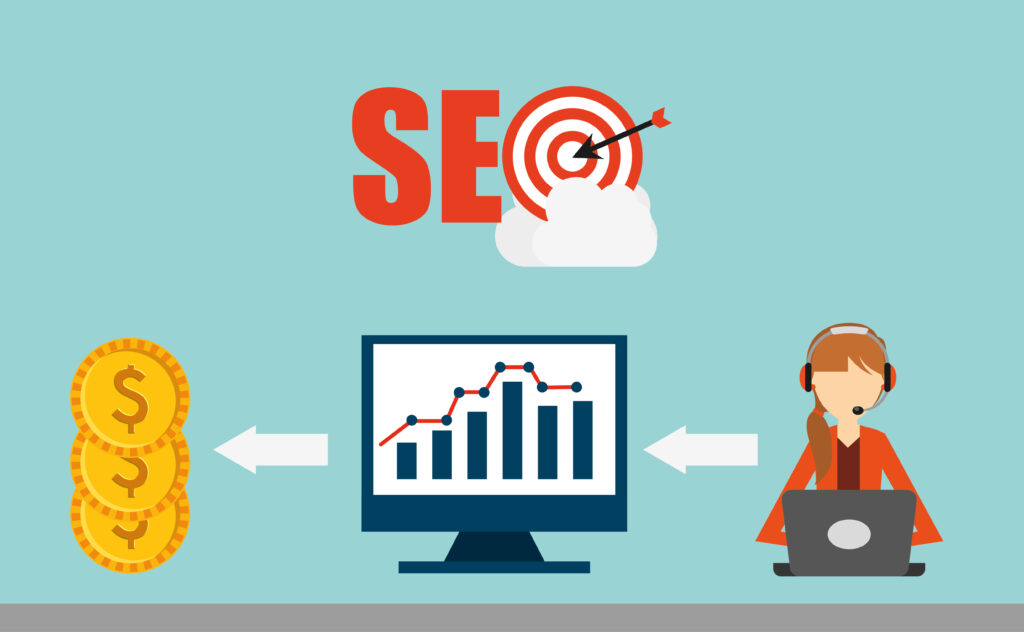
1. Focus on Search Engine Optimization (SEO)
SEO remains one of the most effective ways to increase website traffic over the long term. By optimizing your website for search engines, you can attract users actively searching for information related to your business.
Key SEO practices include:
- Keyword research
- On-page optimization
- Technical SEO improvements
- Internal linking
- High-quality content creation
When your pages rank higher in search results, they receive more visibility and clicks from potential customers.
2. Create High-Quality Content
Content is the foundation of successful digital marketing. Publishing valuable, informative, and engaging content helps attract visitors and keeps them returning to your website.
Popular content formats include:
- Blog articles
- How-to guides
- Case studies
- Industry reports
- Infographics
- Videos
The more useful your content is, the more likely users are to share it and link back to it.
3. Target Long-Tail Keywords
Many businesses focus only on highly competitive keywords. However, long-tail keywords often deliver better results because they target users with specific search intent.
For example:
Instead of targeting “SEO,” you could target:
- “How to improve SEO for online stores“
- “Best SEO strategies for e-commerce websites”
- “How to increase website traffic with SEO”
These keywords typically have less competition and higher conversion potential.
4. Improve Your Website Speed
Website speed directly impacts both user experience and search engine rankings.
Slow-loading websites often experience:
- Higher bounce rates
- Lower engagement
- Reduced conversions
To improve speed:
- Compress images
- Minimize unnecessary code
- Enable browser caching
- Use a reliable hosting provider
- Implement a Content Delivery Network (CDN)
A faster website provides a better experience for visitors and helps improve search visibility.
5. Leverage Social Media Marketing
Social media platforms offer excellent opportunities to drive traffic to your website.
Businesses can increase traffic by:
- Sharing blog content regularly
- Posting educational content
- Engaging with followers
- Participating in industry discussions
- Using video content and reels
Platforms like Facebook, Instagram, LinkedIn, TikTok, and X can help expose your content to a wider audience.
6. Build a Strong Internal Linking Structure
Internal links help users discover additional content while helping search engines understand your website structure.
Benefits of internal linking include:
- Better user experience
- Improved crawlability
- Increased page authority distribution
- Longer session durations
Whenever possible, link relevant pages and blog posts together naturally.
7. Invest in Content Marketing
Content marketing goes beyond publishing occasional blog posts. It involves creating a comprehensive strategy designed to attract, educate, and convert potential customers.
Effective content marketing includes:
- Topic clusters
- Educational resources
- Downloadable guides
- Industry insights
- Email newsletters
Consistent content production can significantly increase website traffic over time.
8. Optimize for Mobile Users
With mobile traffic accounting for a significant portion of online searches, mobile optimization is no longer optional.
Ensure your website:
- Uses responsive design
- Loads quickly on mobile devices
- Has easy navigation
- Features readable text and buttons
A mobile-friendly website improves both user experience and search rankings.
9. Earn High-Quality Backlinks
Backlinks remain one of Google’s strongest ranking factors.
Quality backlinks can:
- Increase domain authority
- Improve keyword rankings
- Drive referral traffic
- Build credibility
Some ways to earn backlinks include:
- Guest posting
- Creating shareable content
- Publishing original research
- Building industry partnerships
- Digital PR campaigns
Focus on quality rather than quantity when acquiring backlinks.
10. Use Email Marketing
Email marketing is an excellent way to bring previous visitors back to your website.
You can use email campaigns to:
- Promote new content
- Share company updates
- Highlight special offers
- Drive traffic to landing pages
Building an engaged email list creates a reliable source of recurring traffic.
11. Update Existing Content
Many businesses focus solely on creating new content while neglecting older pages.
Updating existing content can improve:
- Search rankings
- User engagement
- Content accuracy
- Organic traffic
Review older blog posts regularly and refresh outdated information, statistics, and examples.
12. Analyze and Improve Performance
Website growth requires ongoing monitoring and optimization.
Track metrics such as:
- Organic traffic
- Bounce rate
- Average session duration
- Conversion rate
- Top-performing pages
Using tools like Google Analytics and Google Search Console helps identify opportunities for improvement and growth.
Common Mistakes That Limit Website Traffic
Many websites struggle because they:
- Ignore SEO fundamentals
- Publish low-quality content
- Neglect mobile optimization
- Have slow loading speeds
- Fail to target user intent
- Avoid content promotion
Addressing these issues can produce significant improvements in traffic and overall performance.
Final Thoughts
If you’re looking for how to increase website traffic, the most effective approach is combining SEO, content marketing, social media, technical optimization, and user experience improvements. While traffic growth rarely happens overnight, consistent effort and strategic execution can generate sustainable results.
Focus on creating valuable content, optimizing your website for search engines, and continuously improving the user experience. Over time, these efforts will help attract more qualified visitors and support long-term business growth.