

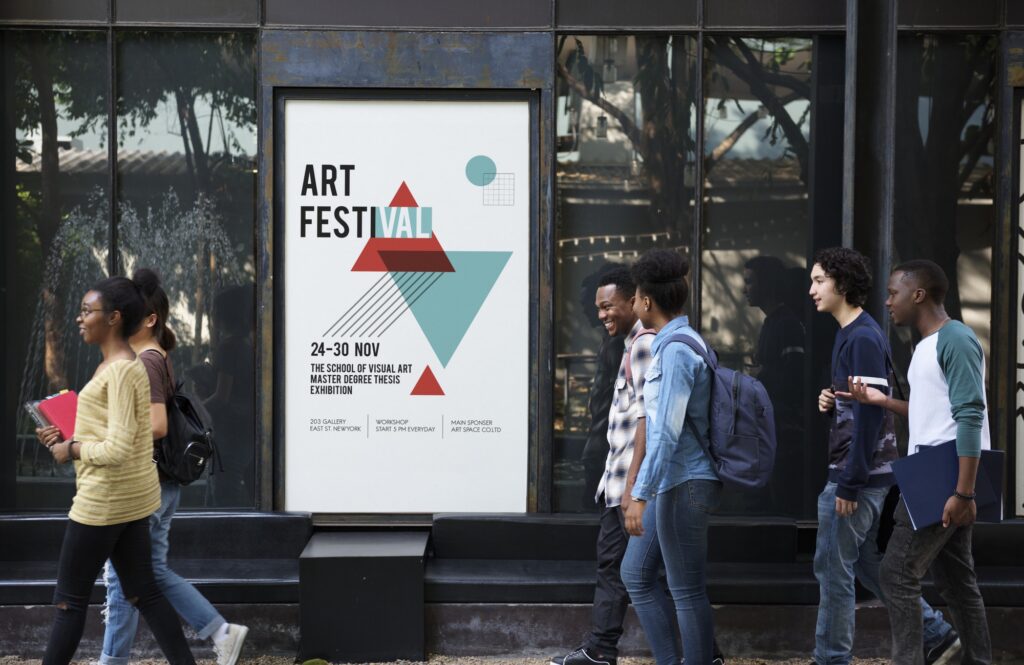
In the fast-paced world of modern advertising, reaching everyone often means reaching no one. While big-budget commercials grab attention, Below The Line (BTL) marketing is where the real connection happens—turning passive viewers into active participants.
what is BTL marketing
BTL marketing is a targeted advertising strategy that focuses on direct communication with specific, well-defined audience segments. Unlike mass media, it utilizes specialized channels to drive engagement, foster brand loyalty, and encourage immediate action. It is particularly effective for professional service sectors, such as real estate, logistics, and retail, where building trust and personal rapport is paramount.
What does BTL stand for in marketing?
BTL stands for Below The Line. The “line” historically separated mass media advertising (which was broad and non-targeted) from more direct, niche-focused marketing efforts. Today, being “below the line” signifies a focus on conversion, relationship building, and high-end visual experiences rather than just general awareness.
What is the difference between ATL and BTL marketing?
The primary difference lies in scope and targeting:
- ATL (Above The Line): Focuses on mass reach through television, radio, and national print to build broad brand recognition.
- BTL (Below The Line): Focuses on targeted reach through trade shows, activations, and direct mail to drive specific consumer responses.
- Measurement: ATL is often measured by “impressions,” while BTL is measured by ROI (Return on Investment) and direct sales conversions.
Is BTL marketing more effective than digital marketing?
It isn’t a matter of one being “better,” but rather how they complement each other. While digital marketing offers massive reach, BTL provides a physical and sensory experience that screens cannot replicate. For example, a high-end brand might use cinematic digital storytelling to create interest, then use a BTL event activation—complete with aesthetic, ASMR-style visuals—to seal the deal in person.
When should a company use BTL marketing instead of ATL?
A company should pivot to BTL when:
- The product is niche or luxury, requiring a specific “luxury tone of voice” and high-end presentation.
- The budget is limited and needs to be spent where it will yield the most direct profit.
- The goal is to provide a tangible experience, such as showcasing 3D modeling or technical innovations in construction and architecture.
How do events support BTL marketing campaigns?
Events are the heart of BTL. They provide a stage for event activations, such as those seen at major trade exhibitions like the Ceramica Market.
- Immersive Narrative: Events allow brands to tell a “cinematic story” through their booth design and interactive elements.
- Direct Engagement: They facilitate face-to-face interactions between strategists and business owners in sectors like service applications and design.
- Lead Generation: Trade shows provide a concentrated environment to gather high-quality leads for complex industries.
What are the benefits of BTL marketing?
- High-End Visual Impact: Allows for the use of cinematic narratives and aesthetic storytelling to captivate an audience.
- Precise Targeting: Ensures your marketing message reaches the specific people most likely to buy, such as international investors or industry professionals.
- Enhanced Brand Loyalty: Creates memorable, personalized experiences that build a stronger emotional bond with the customer.
- Platform Adaptability: Messages can be tailored specifically for physical touchpoints, mirroring the professionalism found in high-level LinkedIn strategies.
FAQs
Is BTL marketing cost-effective?
Yes. Because it targets a specific group, there is less “waste” in the budget. Every dollar spent is directed toward a potential customer, making it highly efficient for strategic content planning and social media integration.
What are examples of BTL marketing?
- Trade Show Activations: Custom booths that showcase technical concepts like BIM technology or 3D modeling.
- Direct Mail & Email: Highly personalized professional English or friendly Arabic content tailored to the recipient’s platform preference.
- Experiential Pop-ups: Utilizing high-end aesthetics and cinematic narratives to create a unique “vibe” in retail spaces.